Miami’s I-395 Underdeck Plan: A New Link for Overtown?
A planned 33-acre greenway under the I-395 bridge could reconnect neighborhoods divided by a highway, but funding and construction timing remain central.
News and city life in Overtown.
Overtown is one of Miami's oldest Black neighborhoods, just northwest of Downtown. In the mid-1900s it was a center of Black business and music.
Highway building in the 1960s cut the neighborhood apart and pushed many families out. Today the historic Lyric Theater still stands, and new housing and development projects are reshaping the area.
A planned 33-acre greenway under the I-395 bridge could reconnect neighborhoods divided by a highway, but funding and construction timing remain central.
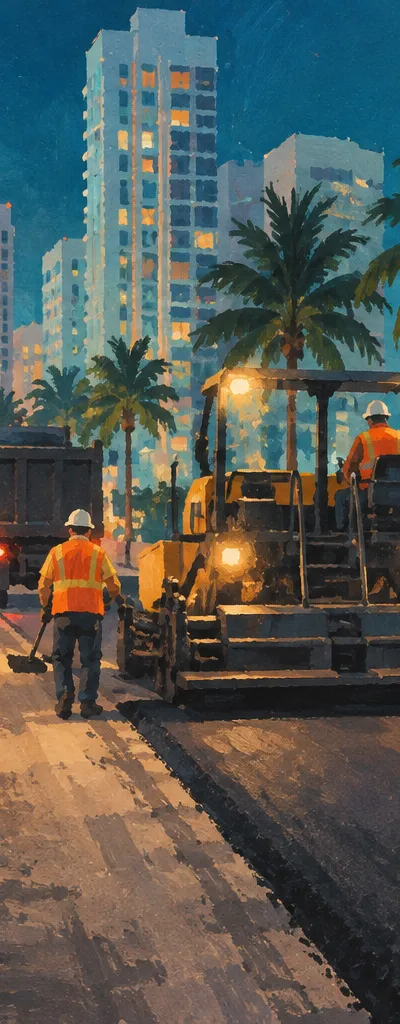
The construction schedule also affects I-95 and the eastbound Dolphin Expressway.
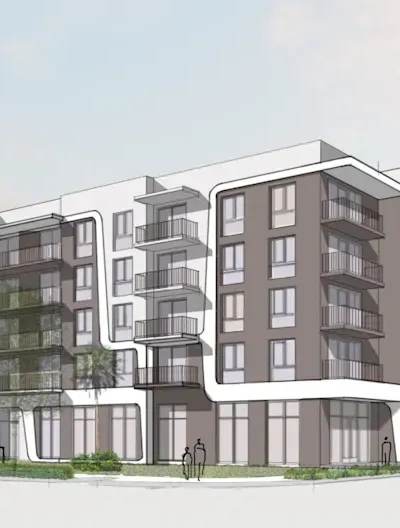
The project opened October 9. Its leasing office is taking applications for one-, two- and three-bedroom homes.
Overtown sits just northwest of Downtown Miami. It is one of the city's oldest Black neighborhoods. When Miami was founded in 1896, Black workers who helped build the city were made to live here, in what was then called Colored Town.
Shut out of much of the city, residents built their own: churches, schools, hotels, shops and clubs. By the mid-1900s, Overtown was the center of Black life and business in South Florida.
NW 2nd Avenue was known as Little Broadway. Black stars who played Miami Beach hotels at night often could not stay there, so many came to Overtown's hotels and clubs to stay and perform. The neighborhood was also called the Harlem of the South.
Starting in the late 1950s and 1960s, Interstate 95 and other highway and urban renewal projects cut through the neighborhood. Many homes and businesses were torn down, and thousands of residents were forced to move. Overtown is still recovering from that loss.
New towers, offices and rail stations are rising on Overtown's edges. Some residents see jobs and investment. Others worry about rising rents and losing longtime neighbors. Visiting historic sites and spending at long-standing local businesses is one direct way to support the people who kept the neighborhood going.
It was the center of Black life, business and music in early Miami, and many of its historic buildings still stand.
Geder Walker, a Black business owner, built it in 1913 at 819 NW 2nd Avenue.
NW 2nd Avenue was packed with clubs and theaters where top Black performers played, often after shows on Miami Beach.
Highway building, including I-95, and urban renewal tore down many homes and businesses and pushed thousands of residents out.
Take Metrorail to Historic Overtown/Lyric Theatre station.